GoLemon Shuts Down After 28 Months
Nigeria's startup ecosystem has recorded another closure. GoLemon, the Lagos-based grocery delivery startup founded by four former Paystack executives, announced on July 29 that it is winding down operations after 28 months in business. The company was unable to secure the funding needed to continue.
GoLemon published its farewell in a Medium post titled "Thank you, Lagos," stating that it had become "part of thousands of weekly routines" across the city. It had already stopped accepting new orders in July and confirmed its customer support channels would close on August 2. GoLemon assured that all outstanding customer refunds have been resolved.
A Startup Built by Former Paystack Leaders
GoLemon was founded in March 2024 by four alumni of Paystack, the payments company Stripe acquired for $200 million in 2020:
- CEO Yinka Adewuyi
- CTO Gbadegbo Gbade-Oyelakin
- Growth Lead Abdulrahman Jogbojogbo
- Operations Lead Abiola Showemimo
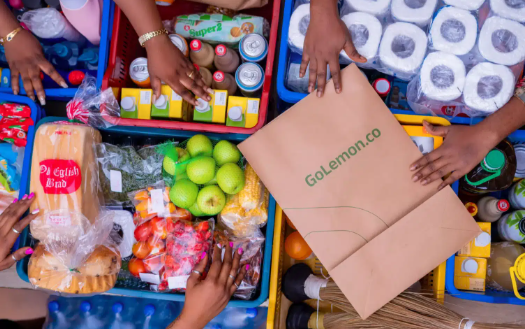
Their model was more vertically integrated than most competitors in the space. Rather than reselling from supermarkets or acting purely as a delivery layer, GoLemon pursued a comprehensive approach:
- Bought directly from farmers and manufacturers
- Ran its own warehouses
- Quality-checked produce in-house
- Built its own shopping software from scratch
The focus was on scheduled, large-basket grocery shopping rather than the fast, small-order restaurant delivery model most competitors ran.
Why GoLemon Shut Down
GoLemon's own account of the shutdown is unusually specific for a startup post-mortem. The company stated that individual orders were, in fact, profitable, with an average basket size of about ₦43,700 (roughly $32). However, it never reached the order volume needed to cover the fixed costs of warehouses, engineering, logistics, and supply chain overhead.
"Despite our efforts to raise additional funding, we couldn't find a sustainable path forward within the time available to us," the company said in its shutdown statement.
GoLemon added that there was no single reason investors passed. Rather, prospective backers weighed the size of the potential return against the capital and time required to reach real scale in a business that is inherently operationally intensive and cash-hungry. "The timelines required to complete an investment did not align with the runway we had left," GoLemon explained.
Cofounder Abdulrahman Jogbojogbo had flagged the difficulty of the fundraising climate as far back as the company's launch, a warning that, in hindsight, proved accurate.
The Numbers Behind the Closure
Over 28 months, GoLemon reported impressive metrics:
- Completed tens of thousands of deliveries across Lagos.
- Reached more than 40,000 registered customers.
- Moved over ₦2 billion (roughly $1.4 million) worth of groceries.
It built an initiative called GoLemon Misfits aimed at reducing food waste by selling produce that might otherwise be discarded. The company worked with partners including Paystack, PiggyVest, Sterling Bank's Café One, and Smoke & Spice. Backers reportedly included Voltron Capital, Honeybadger, Monex Ventures, and UNCOVERED FUND.
Around 20% of GoLemon's team has already secured new roles elsewhere, the company said. It has also set up a dedicated email to help place the remaining employees across engineering, product, operations, and growth roles at other companies.
A Familiar Pattern in Nigerian Grocery Delivery
GoLemon's exit isn't an isolated case. Jumia Food and Bolt Food both left Nigeria's food and grocery delivery market in 2023, citing weak unit economics and mounting losses, even before GoLemon had launched. More recently, Y Combinator-backed Foodcourt paused operations after mounting financial pressure left it unable to pay employees or settle suppliers for months.
The pattern across these shutdowns is consistent:
- Fresh produce, dairy, and frozen goods require careful handling, making inventory management and delivery significantly more expensive than standard e-commerce.
- Every order carries warehousing, picking, packing, and last-mile delivery costs, leading to thin margins unless order volumes are exceptionally high.
This volume threshold has proven difficult to clear in a market characterized by:
- High inflation
- Volatile fuel prices
- Currency depreciation squeezing costs on the supply side
- Highly price-sensitive customers on the demand side
The timing compounds the pressure. Nigerian startups raised $1.44 billion in the first half of 2026, only slightly above the $1.42 billion raised in the same period of 2025. However, the number of completed deals fell sharply, from 252 to 146. Investors aren't necessarily pulling back from Nigerian tech overall; they're concentrating capital into fewer, larger bets. This leaves less room for capital-intensive, thin-margin businesses like grocery delivery to find funding in time.
What It Means for Nigeria's Startup Ecosystem
GoLemon's shutdown is a reminder that solving a real, everyday problem well isn't the same as solving the financing problem underneath it. Founders in capital-intensive sectors increasingly need answers not just to "does this work for customers" but "can this reach profitable scale before the runway runs out." This question depends as much on the fundraising climate at the moment of truth as on the business itself.
Nigeria remains one of Africa's most active startup ecosystems, but investors have grown markedly more selective, placing greater weight on unit economics and a credible path to sustainability than on growth metrics alone.
Lessons for Entrepreneurs
A few things stand out from GoLemon's account of its own closure:
- Profitable unit economics aren't sufficient on their own. GoLemon stated its individual orders made money. The business still needed a volume threshold it never crossed before capital ran out.
- Fundraising timelines don't always match runway. Even with investor interest and founders who had previously helped build one of Nigeria's most celebrated startup exits, the process of closing a deal took longer than the cash on hand allowed.
- Sector-specific costs compound quickly. Cold chain storage, warehousing, and perishable inventory make grocery delivery structurally harder to scale profitably than dry-goods e-commerce.
- Team care during a shutdown matters. GoLemon's active effort to place its former employees, and its public accounting of what worked and what didn't, reflects a level of transparency that's relatively rare in Nigerian startup shutdown announcements.
Looking Ahead
Demand for online grocery shopping in Nigeria hasn't disappeared. One recent market estimate puts Nigeria's food and drink market at roughly $54.1 billion in 2024, projected to approach $99 billion by 2033, driven by urbanization, rising disposable incomes, and the continued expansion of e-commerce.
Companies including Chowdeck, Glovo, and PricePally remain active in grocery and food delivery, betting that the model can work with the right combination of scale, logistics discipline, and financing patience.
Whether the market opportunity outweighs the operational difficulty is still an open question. GoLemon is now the fourth notable name, after Jumia Food, Bolt Food, and Foodcourt's pause, to run into the same wall in roughly three years.
Conclusion
GoLemon's closure marks the end of an ambitious, unusually vertically integrated attempt to modernize grocery shopping in Lagos. Founded by experienced operators and backed by recognized investors, the company reached real scale — tens of thousands of customers and billions of naira in deliveries — without finding a way to make that scale self-sustaining in time. For founders and investors alike, its story is less a cautionary tale about a bad idea than a data point about just how narrow the financing window can be for capital-intensive consumer businesses in Nigeria's current market.