Reuters NEXT Asia 2026: AI, Business, and the Future of Technology
Reuters NEXT Asia returns to Singapore on July 9, 2026, for its third edition. This single-day event will gather approximately 400 C-suite executives, policymakers, and investors for on-the-record discussions and live broadcasts.
This year's theme, "Shifting influence, defining decisions," reflects what organizers describe as a defining phase for the region. Geopolitics, markets, and technology are evolving so rapidly that leaders are compelled to make consequential decisions with imperfect information.
Who's Actually Showing Up
The confirmed guest list indicates the breadth of this year's conversation:
- Ma. Theresa P. Lazaro, Philippines Secretary of Foreign Affairs, whose country holds the ASEAN chair in 2026, will discuss the bloc's priorities in defense, diplomacy, and trade.
- Awais Leghari, Pakistan's Federal Minister for Power, will address the strain on Pakistan's power sector. This is an increasingly urgent issue given the rising global electricity demand driven by AI infrastructure.
Confirmed corporate attendees include senior executives from:
- Boeing
- HSBC
- Grab
- Johnson & Johnson
- Changi Airport Group
- BMW
- UPS
- Nestle
Reuters's own award-winning correspondents will moderate sessions under the outlet's Trust Principles framework.
AI's Shift From Pilot to Core Operations
The event's clearest underlying theme is a significant shift in how companies are discussing AI. Instead of another round of discussions about whether to adopt generative AI, sessions are now framed around what happens after the pilot stage.
This includes:
- Embedding AI reliably into core systems and everyday workflows at an enterprise scale.
- The implications for how organizations design jobs and reskill workers.
One flagship session specifically explores:
- How leading Asian companies are redesigning roles around AI.
- Investing in large-scale reskilling initiatives.
- Managing the tension between automation, inclusion, and long-term talent sustainability.
That framing matters because it signals where the real debate has moved.
Many organizations have already demonstrated that AI can deliver value in isolated pilot projects. The more difficult and unresolved question—the one Reuters NEXT Asia is built around this year—is whether that value persists once AI is fully integrated into core business processes rather than remaining as side projects.
Geopolitics and Where Asia's Center of Gravity Is Moving
A separate track, hosted by Reuters Breakingviews Asia editor Una Galani, will delve into how geopolitics is reshaping capital flows across the region. It will also examine whether Asia's traditional business hubs like Hong Kong, Singapore, and Tokyo are experiencing a structural shift in relative importance.
This conversation runs alongside sessions focused on:
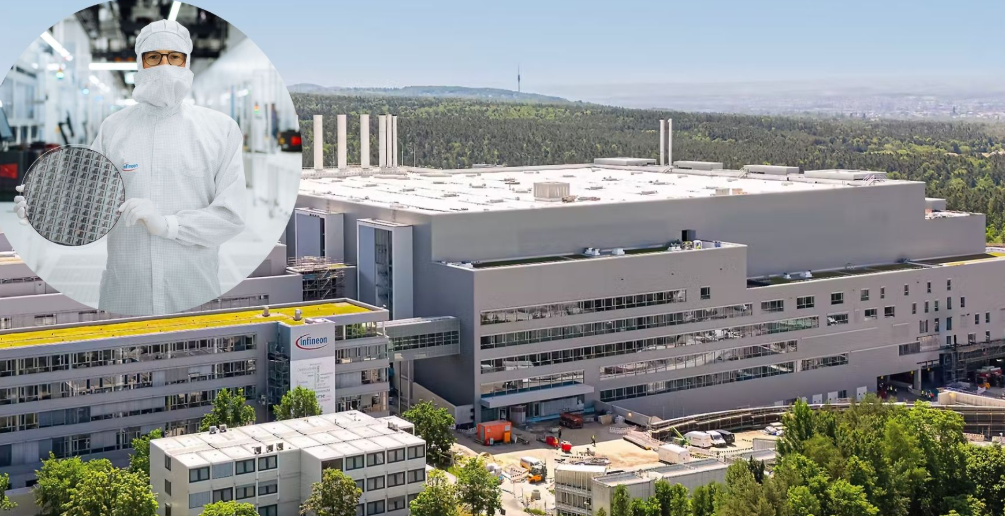
- Semiconductor manufacturing
- Cybersecurity
- Cross-border trade
All these areas show an increasing overlap between AI infrastructure spending and geopolitical tension.
Why Singapore Keeps Hosting This
This marks the third consecutive year that Reuters has chosen Singapore for its Asia edition of the NEXT series. (Annual editions are also held in Abu Dhabi and New York.)
Singapore's standing as a financial and technology hub, coupled with its relatively stable regulatory environment, has made it a natural home for a summit designed to convene government and business leaders from across the diverse Asian region.
The event is by invitation only. Sessions will be broadcast live on Reuters.com and distributed to Reuters' television clients in over 115 countries. This means the actual physical room in Singapore may be small, but the conversation's reach is expansive.
What Businesses Should Watch For
For companies tracking AI investment trends rather than attending in person, a few key threads are worth following once sessions go live:
- How executives from asset-heavy industries like aviation (Boeing), logistics (UPS, FedEx), and banking (HSBC, OCBC) describe AI's return on investment in operational improvements rather than just customer-facing chatbots.
- How much attention power and energy constraints receive relative to model capability. This is particularly relevant given that Pakistan's power minister is on the agenda specifically because AI infrastructure is straining electricity systems well beyond Asia's wealthiest economies.
Why This Matters for Africa
While Reuters NEXT Asia's focus is regional, the underlying questions are universally applicable.
- How to transition AI from pilot projects to core operations.
- How to reskill a workforce for AI integration.
- How power infrastructure constraints shape what's actually deployable.
These questions apply just as directly to African markets navigating their own AI strategies. Countries like Nigeria, Kenya, South Africa, Rwanda, and Ghana are all grappling with versions of the same tension between ambition and infrastructure capacity that Pakistan's session is expected to address. The reskilling debate playing out in Singapore mirrors conversations already underway in African labor policy circles, including at the International Labour Conference in Geneva earlier this month.
Conclusion
Reuters NEXT Asia 2026 isn't introducing a new AI narrative. Rather, it's fostering a more honest one: the easy phase of AI adoption, characterized by pilots and press releases, is giving way to harder questions. These include:
- Successful integration at scale.
- Workforce impact.
- Infrastructure limits.
With government ministers and C-suite executives from aviation, banking, logistics, and energy all in the same room on July 9, the sessions are likely to offer a more grounded perspective on where AI investment is genuinely delivering returns than most single-company earnings calls can provide.