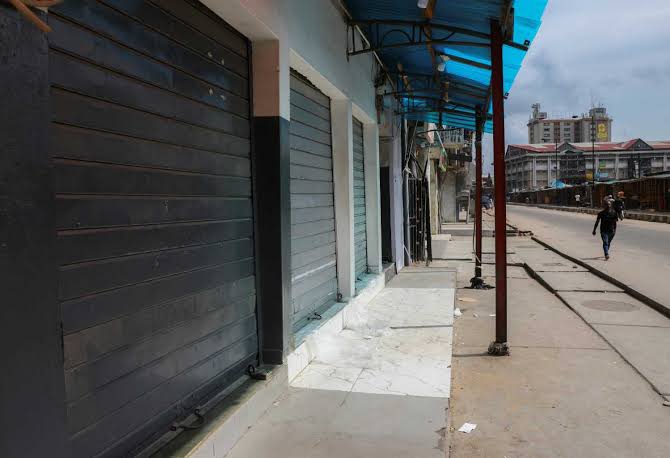
Walk through many shopping streets today, and you'll notice a growing trend: empty storefronts, "For Rent" signs, and businesses that have quietly shut their doors.
This isn't happening in just one country. From the United States and the United Kingdom to Nigeria and South Africa, many physical retailers are struggling to survive. At the same time, thousands of businesses operating primarily online, including those run from homes, are growing faster than ever.
The message is becoming increasingly clear: selling online is no longer optional. It's becoming a necessity.
The Numbers Tell the Story
Global e-commerce continues to grow at an impressive pace, and Nigeria's numbers make the point sharply. Multiple market research estimates peg Nigeria's e-commerce market at roughly $9 to $9.5 billion in 2025, on track to reach between $16 and $18 billion by 2030, growing at a compound annual rate of nearly 12%.
A few figures show how fast consumer habits are shifting:
- Smartphones accounted for over 82% of online transactions in Nigeria in 2025, confirming that mobile devices, not desktops, are now the default shopping device.
- Nigeria's informal retail sector, worth over $100 billion, is increasingly adopting digital platforms as businesses seek to streamline supply chains and reach customers directly.
- Buy Now, Pay Later (BNPL) adoption in Nigeria is projected to grow at roughly 28% annually through 2031, making it easier for customers to complete purchases they might otherwise abandon.
- Social commerce transaction value alone is projected to nearly double, from about $2 billion in 2025 to close to $4 billion by 2030.
Consumer behavior has changed, and businesses that adapt by using platforms like KiaVendor to showcase products and manage inventory are benefiting from this shift.
The Rising Cost of Running a Physical Store
Owning or renting a shop comes with significant expenses that many small businesses struggle to manage. These include:
- Monthly rent
- Electricity bills
- Staff salaries
- Security
- Maintenance
- Taxes and permits
- Internet and utilities
- Furniture and equipment
In many Nigerian cities, these costs continue to rise, especially electricity and generator fuel, while customer foot traffic remains unpredictable. Even a busy shopping location cannot guarantee enough sales to cover operating expenses.
The Online Store Advantage
Now, compare that with a business operating from home that uses a platform like KiaVendor to manage its storefront.
A home-based entrepreneur can:
- Display products online 24 hours a day.
- Sell to customers across different cities.
- Receive orders while sleeping.
- Spend less on rent.
- Reduce staff costs.
- Reach thousands of potential customers through a KiaVendor storefront and social media.
Instead of paying for expensive retail space, they can invest in marketing, customer service, and product quality. This often leads to higher profit margins, particularly in a market where cash still accounts for a significant share of point-of-sale value and digital payment rails are steadily pulling more of that spending online.
Customers Are Shopping Differently
Modern consumers value convenience. Instead of driving to multiple shops, many people simply search online, compare prices, read customer reviews, watch product videos, place an order, and receive home delivery.
For many buyers, this process is faster and more convenient than visiting a physical store. Widespread smartphone use has accelerated this shift, with Nigeria's internet penetration continuing to climb and tens of millions of active smartphone users nationwide.
Social Media Has Become the New Shopping Mall
Platforms such as Facebook, Instagram, TikTok, and WhatsApp have transformed how businesses sell. Vendors are increasingly linking these channels to structured storefronts like KiaVendor to process and manage incoming orders.
A single viral video can generate thousands of orders within hours.
Small businesses no longer need expensive advertising campaigns to reach customers. Instead, they build loyal communities through engaging content, live videos, and customer testimonials, and a majority of Nigerian micro and small businesses already sell this way exclusively.
Many successful businesses today have never owned a traditional storefront.
Physical Stores Are Not Disappearing Completely
This doesn't mean physical shops are becoming irrelevant. Retail stores still play an important role for businesses that sell products customers want to see, touch, or try before buying, such as:
- Luxury fashion
- Furniture
- Automobiles
- Jewellery
- Grocery stores
- Restaurants
But even these businesses are increasingly combining physical locations with online sales through tools like KiaVendor. This approach, often called an omnichannel strategy, gives customers more flexibility while reducing dependence on walk-in traffic alone.
Why Small Businesses Should Build an Online Store
An online storefront, such as one built on KiaVendor, offers advantages that are difficult to ignore. It allows businesses to:
- Operate around the clock.
- Reach customers beyond their local area.
- Lower operating costs.
- Scale more quickly.
- Collect customer data.
- Accept digital payments.
- Build a recognizable brand.
Most importantly, an online store gives businesses resilience. If foot traffic declines, sales can continue through digital channels, particularly as Buy Now, Pay Later adoption continues to climb, making it easier for customers to complete purchases they might otherwise abandon.
What This Means for Nigerian Businesses
Nigeria has one of Africa's largest internet populations, with tens of millions of people accessing the web daily through smartphones. The country's B2C e-commerce segment alone accounts for the large majority of total market value.
WhatsApp, Facebook, Instagram, and TikTok have become powerful discovery channels for entrepreneurs, but converting that attention into actual, trackable sales increasingly depends on having a real storefront behind it. That's where platforms like KiaVendor come in, giving vendors a dedicated space to list products, manage inventory, and build customer trust.
Many Nigerian businesses now receive more orders through social media and messaging apps than through walk-in customers. For small business owners, creating an online storefront on KiaVendor is one of the most affordable ways to expand without opening additional physical branches.
The Future of Retail
The future is unlikely to be a choice between physical stores and online stores. Instead, the most successful businesses will combine both. Physical locations will focus on customer experience, while online platforms like KiaVendor will drive convenience, marketing, and sales.
Businesses that fail to establish a digital presence risk becoming invisible to a growing number of consumers who begin their shopping journey online, a risk that grows sharper as Nigeria's e-commerce market is projected to nearly double in size before the end of the decade.
Final Thoughts
The retail landscape is changing faster than ever. Shops are closing not simply because people have stopped buying, but because people have changed how they buy. Consumers want speed, convenience, competitive pricing, and the ability to shop from anywhere.
Businesses that embrace digital commerce, backed by data showing Nigeria's e-commerce market growing at nearly 12% annually, are positioning themselves for long-term growth, while those that rely solely on physical storefronts may find it increasingly difficult to compete.
An online storefront is no longer just another sales channel. It has become one of the most valuable business assets a company can own. The businesses that recognize this shift today and build on platforms like KiaVendor will be better prepared for the retail economy of tomorrow.